
By Gaby Dufresne-Cyr, CBT-FLE
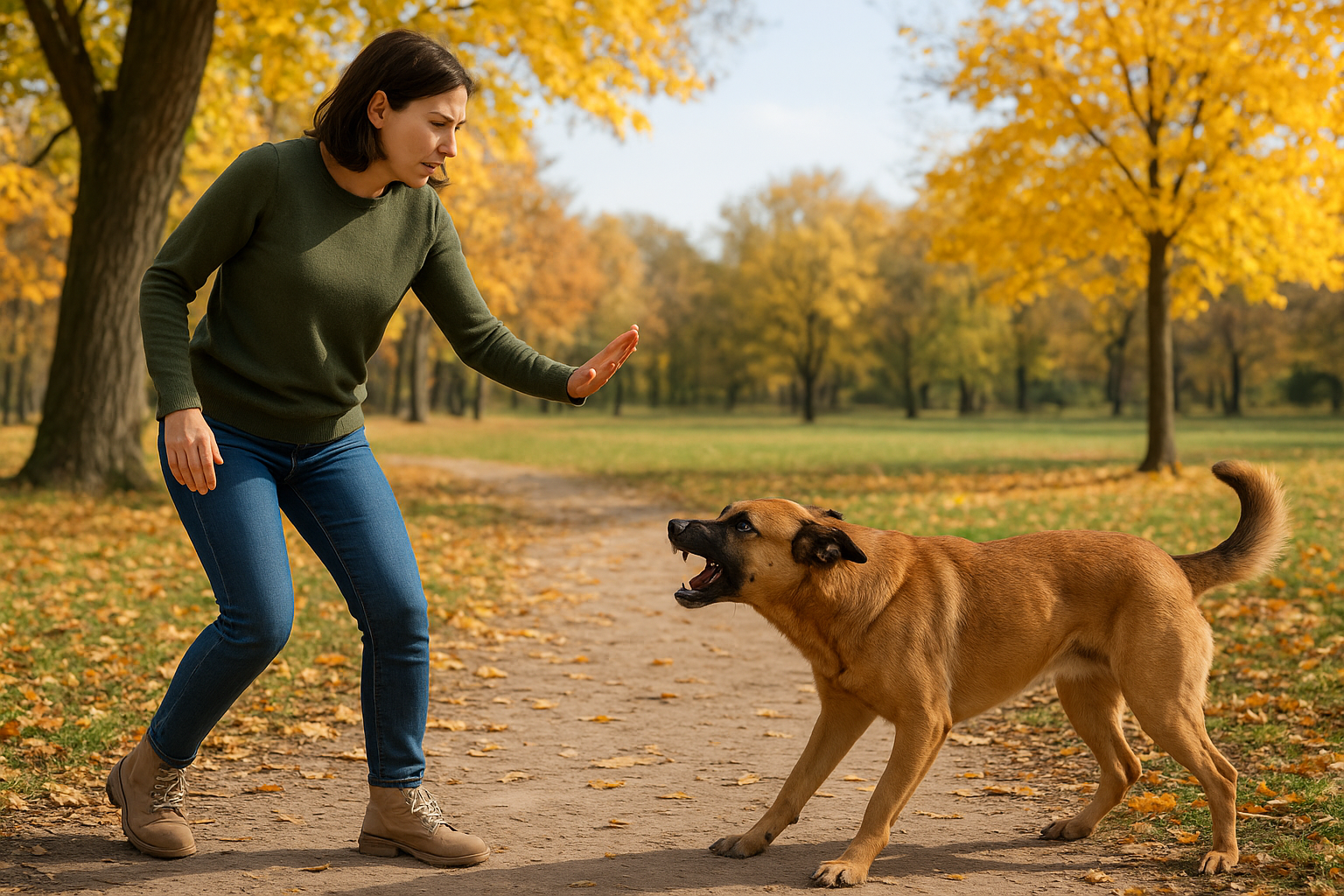
In recent months, several cities across North America have reported an increase in dog bite incidents. Toronto, for example, has reported a 39% rise in dog attacks since 2022 (City of Toronto, 2023), putting 2025 on track to break records. While the numbers may seem alarming, they reveal more about human behaviour and social dynamics than about dogs themselves.
Dogs rarely bite without a reason. Behind every incident lies a complex chain of emotions, environmental stressors, and communication signals that were missed, ignored, or misunderstood. As more people welcome dogs into busy urban spaces, the risk of miscommunication grows. But with education and prevention, these trends can change.
Understanding Why Dogs Bite
Dogs communicate through bites. When dogs feel threatened, cornered, or overwhelmed, they resort to using their teeth as a last line of defence. Many owners are unaware of the early signs of stress, such as lip licking, yawning, looking away, or stiff body posture. When people overlook these subtle cues, the dog has no choice but to escalate.
Modern life adds to the problem. Lack of proper socialisation, the use of punitive training methods, lack of training, and mental stimulation all heighten stress levels in dogs. Social media also plays a role by spreading misinformation about dominance-based approaches that teach dogs to suppress their emotions rather than express them safely.
How Social Cognitive Training Can Help
At Dogue Shop, we focus on training methods rooted in social cognitive learning theory. This approach teaches dogs through observation, imitation, cognition, and trust rather than through fear or force. When dogs feel safe and understood, their need to use aggression diminishes dramatically.
Training isn’t just about obedience; it’s about communication. Owners who learn to interpret their dog’s emotions and adjust their own behaviour create a positive feedback loop built on cooperation. Teaching check-ins, problem-solving, and effective decision-making helps dogs navigate complex human environments with confidence.
The Role of Early Socialisation
Another factor behind the increase in bite incidents is poor socialisation during puppyhood. Many puppies grow up isolated from real-world experiences because of climate (too cold or too hot), lack of access to safe environments, fear of disease, or online training. These dogs often reach adolescence without having developed the coping mechanisms needed to manage stress or novelty.
Socialisation isn’t about exposing puppies to everything; it’s about creating positive associations with living organisms, objects, sounds, or smells. When done correctly, it builds emotional resilience that lasts a lifetime.
Education Over Regulation
While cities respond to increased bite reports with new bylaws or breed restrictions, the proper solution lies in education. Every dog owner can reduce the risk of bite incidents by learning about canine body language, stress management, and science-based training. Trainers and professionals have a duty to share this knowledge openly and compassionately.
Dog bites are preventable. They are not a reflection of dangerous dogs but of a breakdown in communication between species. By listening to our dogs and learning to speak their language, we can create safer, more harmonious communities for everyone.
Download our free cheatsheet for signs of aggressive dog behavivour.
References
-
City of Toronto. (2023). City of Toronto reminds pet owners to be responsible, keep their dog leashed. Retrieved from https://www.toronto.ca/news/city-of-toronto-reminds-pet-owners-to-be-responsible-keep-their-dog-leashed/?utm_source=chatgpt.com